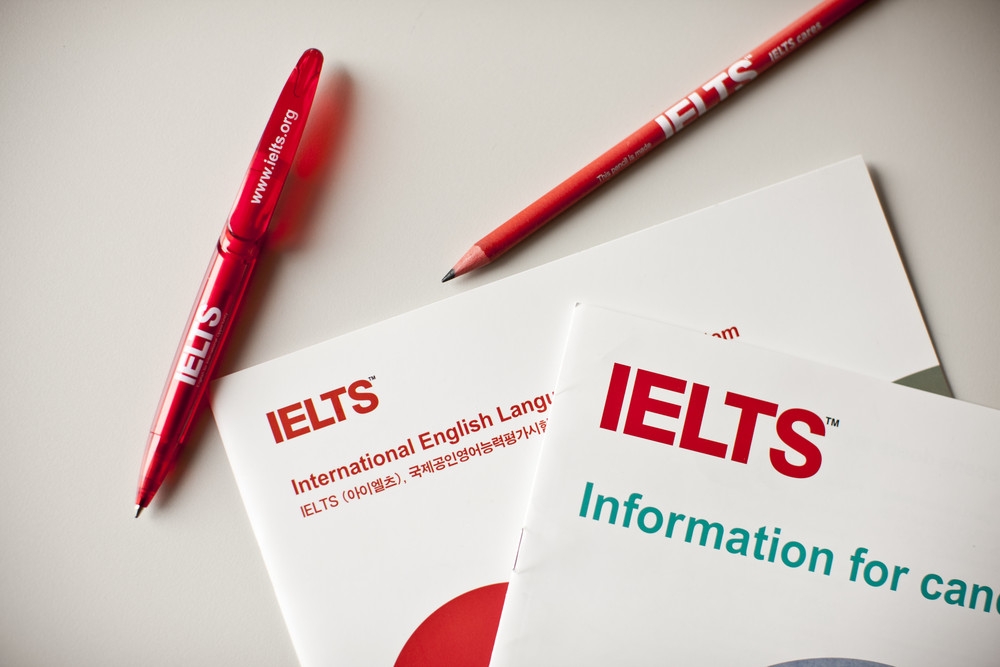
IELTS Preparation Course
Proven coaching for Band 7+ success. Master Listening, Reading, Writing and Speaking with expert guidance, one‑on‑one attention, and flexible study options – online or offline.
Your Gateway to Global Opportunities
If you are looking to work, live or study in an English‑speaking country, you must demonstrate a high level of English ability. English is the third most spoken language in the world, with 379 million speakers worldwide. The International English Language Testing System (IELTS) is designed to help you work, study or migrate to countries such as Australia, Canada, New Zealand, the UK and USA. Your ability to listen, read, write and speak in English will be assessed during the test. IELTS is accepted by more than 11,000 employers, universities, schools and immigration bodies around the world.
What Makes Our IELTS Coaching Different
Study Anywhere
When enrolled, you will be guided by a teacher along with video lessons, and also study with digital course guides, handouts and textbooks on your phone, tablet or laptop – at home, in the office, in transit, anywhere. We support you to pass the test for migration, study or work abroad.
One‑on‑One Coaching
Personalised attention with a dedicated IELTS instructor. Focus on your weak areas and get customised feedback to maximise your band score.
Proven Results
Our students consistently achieve Band 7+ and have successfully migrated or gained admission to top universities worldwide.
Comprehensive IELTS Training Specifications
Training Specifications – IELTS Coaching
- TRAINING DURATION: 3 Weeks
- DELIVERY METHOD: 100% one‑on‑One (Online and Offline)
- ASSESSMENT: Practice · Assignments
- REGISTRATION DATE: Weekly & Monthly
- GUIDED TRAINING HOURS: 1 Hour per class
- NUMBER OF CLASSES: 12 Classes
Total payable in NGN
Application fee ₦2,740 is included in the total above.
What Our IELTS Graduates Say
"The one‑on‑one coaching was invaluable. I improved from Band 6 to 7.5 in just 3 weeks. The personalised feedback on writing made all the difference."
— Adaeze N., Nigeria
"Flexible online classes allowed me to work full‑time and still prepare. The mock speaking tests gave me real confidence. Scored 8.0 in Listening!"
— Rajiv K., India
"Study Anywhere materials meant I could review on my phone during commutes. The instructors are dedicated and truly care about your success."
— Fatima A., UAE
Questions About the IELTS Course?
Our admissions team is ready to guide you on enrolment, schedule, and payment options.