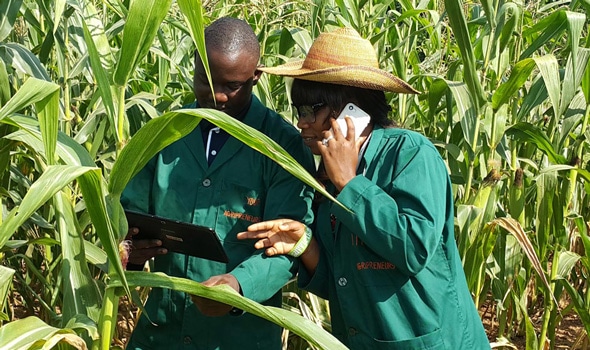
Advanced Professional Diploma in Agricultural Extension
Master agricultural extension methodologies, rural advisory services, technology transfer, participatory approaches, and impact assessment. Designed for extension officers, rural development professionals, and agribusiness advisors.
Advanced Professional Diploma in Agricultural Extension
This 4‑week advanced diploma delivers executive‑level agricultural extension expertise across 12 modules (6 units each). You will explore extension philosophy, communication strategies, participatory approaches, technology transfer, ICT in extension, project management, monitoring and evaluation, gender integration, and extension leadership – all through self‑paced study guides and dedicated team support.
Weeks 1-2
Foundations, Communication, Participatory Methods
Weeks 3-4
ICT, M&E, Gender, Leadership & Capstone
Advanced Agricultural Extension Learning Journey
Each module contains 6 in‑depth units, delivered via study guides, case studies, and strategic exercises.
📘 Module 1: Fundamentals of Agricultural Extension
- 1.1 Definition, scope, and history of agricultural extension
- 1.2 Philosophy and principles of extension education
- 1.3 The role of extension in agricultural development
- 1.4 Extension systems and institutional frameworks
- 1.5 Linkages with research, education, and advisory services
- 1.6 Case study: Evolution of extension systems in developing countries
📢 Module 2: Extension Communication & Adult Learning
- 2.1 Theories of communication in extension
- 2.2 Communication channels and media selection
- 2.3 Principles of adult learning (andragogy)
- 2.4 Participatory communication and feedback loops
- 2.5 Overcoming communication barriers with farmers
- 2.6 Case study: Designing an effective farmer training session
🤝 Module 3: Participatory Extension Methods
- 3.1 Participatory Rural Appraisal (PRA) tools and techniques
- 3.2 Farmer Field Schools (FFS) methodology
- 3.3 Demonstration plots and farm visits
- 3.4 Lead farmer and farmer‑to‑farmer extension
- 3.5 Participatory technology development (PTD)
- 3.6 Case study: Implementing Farmer Field Schools for pest management
🔄 Module 4: Technology Transfer & Innovation Adoption
- 4.1 Models of technology transfer (linear, feedback, systems)
- 4.2 Adoption and diffusion of innovations (Rogers' theory)
- 4.3 Factors influencing farmer adoption of new practices
- 4.4 Scaling pathways for agricultural technologies
- 4.5 Role of private sector and input suppliers in technology transfer
- 4.6 Case study: Scaling a drought‑resistant crop variety
💻 Module 5: ICT in Agricultural Extension (E‑Extension)
- 5.1 Digital extension platforms and mobile applications
- 5.2 Use of SMS, voice, and interactive voice response (IVR)
- 5.3 Social media and online farmer communities
- 5.4 Data analytics for targeted extension messages
- 5.5 Digital inclusion and bridging the digital divide
- 5.6 Case study: Using mobile apps to deliver crop advisory
📋 Module 6: Project Management in Extension & Rural Development
- 6.1 Project cycle in extension programmes (identification, design, implementation, evaluation)
- 6.2 Logical framework approach (LFA) and theory of change
- 6.3 Budgeting and resource mobilisation for extension projects
- 6.4 Stakeholder engagement and partnership management
- 6.5 Risk management and adaptive management in extension
- 6.6 Case study: Designing an extension project for smallholder dairy
📊 Module 7: Monitoring & Evaluation of Extension Programmes
- 7.1 M&E frameworks for extension (outcome mapping, most significant change)
- 7.2 Developing indicators for extension impact
- 7.3 Data collection methods for M&E (surveys, focus groups, key informants)
- 7.4 Evaluating adoption and behaviour change
- 7.5 Reporting and using M&E findings for adaptive management
- 7.6 Case study: Evaluating the impact of a farmer training programme
👩🌾 Module 8: Gender & Social Inclusion in Extension
- 8.1 Gender analysis in agricultural extension
- 8.2 Strategies for reaching women farmers and youth
- 8.3 Addressing social and cultural barriers to extension access
- 8.4 Gender‑sensitive extension approaches and tools
- 8.5 Mainstreaming disability inclusion in advisory services
- 8.6 Case study: Designing a gender‑responsive extension programme
🌍 Module 9: Climate‑Smart Extension & Advisory Services
- 9.1 Climate change impacts on agriculture and farmer vulnerability
- 9.2 Climate‑smart agriculture (CSA) practices
- 9.3 Weather and climate information services for farmers
- 9.4 Climate risk communication and early warning systems
- 9.5 Building farmer resilience through extension
- 9.6 Case study: Integrating climate advisory into extension messaging
⚖️ Module 10: Agricultural Extension Policy & Institutional Development
- 10.1 National extension policies and strategies
- 10.2 Pluralistic extension systems (public, private, NGO, farmer organisations)
- 10.3 Decentralisation and local governance of extension services
- 10.4 Financing extension services: cost‑sharing, subsidies, output‑based aid
- 10.5 Public‑private partnerships in extension delivery
- 10.6 Case study: Reforming national extension policy for impact
💰 Module 11: Entrepreneurship, Value Chains & Market Linkages
- 11.1 Linking farmers to markets through extension
- 11.2 Value chain analysis and upgrading strategies
- 11.3 Financial literacy and business planning for farmers
- 11.4 Cooperative development and producer organisations
- 11.5 Access to finance and agricultural microcredit
- 11.6 Case study: Extension support for farmer collective marketing
🎓 Module 12: Capstone – Extension Programme Design & Evaluation
- 12.1 Integrating all module learnings into a comprehensive extension programme
- 12.2 Situational analysis and needs assessment (real or simulated)
- 12.3 Designing extension strategies, tools, and activities
- 12.4 Budgeting, resource planning, and stakeholder mapping
- 12.5 M&E framework and impact evaluation plan
- 12.6 Final capstone submission and presentation
Everything You Need to Succeed in Agricultural Extension
Beyond the curriculum – we provide a complete learning ecosystem to support your growth.
100% Online with study guides
Fully remote learning – access comprehensive study guides, video summaries, and self‑assessment tools.
Team supports
Dedicated team of instructors and support staff available for questions, feedback, and guidance.
Self-Paced Learning
Learn at your own speed without missing deadlines – flexible schedule designed for working professionals.
Mobile-Friendly Access
Study easily on phones, tablets, and desktops. All content responsive and accessible anytime.
Certificate of Completion
Downloadable and verifiable certificate after finishing the programme – share on LinkedIn, CV, or portfolio.
Real-World Projects / Portfolio Building
Practical assignments for career showcasing – build a portfolio that demonstrates your extension skills.
Assessment & Quizzes
Continuous evaluation to track progress and understanding. Instant feedback to reinforce learning.
Career Support Services
CV review, interview preparation, and job guidance to help you transition into extension roles.
Updated Content Access
Course materials regularly updated to reflect new extension methodologies, digital tools, and policies.
Beginner-to-Advanced Pathways
Structured learning levels – from foundation certificates to advanced professional diplomas.
Downloadable Resources
Templates, slides, toolkits, and reading materials – all available for offline reference and study.
Affordable Tuition – ₦102,740 Total
All inclusive: tuition + application fee. Flexible interest‑free instalments.
Application fee ₦2,740 is included in the total above.
Learning Outcomes & Career Pathways
Key Competencies
- Apply participatory extension methods and adult learning principles
- Design and implement technology transfer strategies
- Use ICT and digital tools for e‑extension
- Develop M&E frameworks for extension programmes
- Integrate gender and climate‑smart approaches into extension
Career Opportunities
- Agricultural Extension Officer / Specialist
- Rural Development Advisor
- Project Manager (Agricultural Development)
- Digital Extension Coordinator
- Gender and Social Inclusion Specialist
- Policy Advisor on Agricultural Extension
Assessment & Delivery
100% online, self‑paced over 4 weeks (flexible up to 3 months). Assessment via module quizzes, case study analyses, and a strategic capstone project. Advanced Professional Diploma awarded.