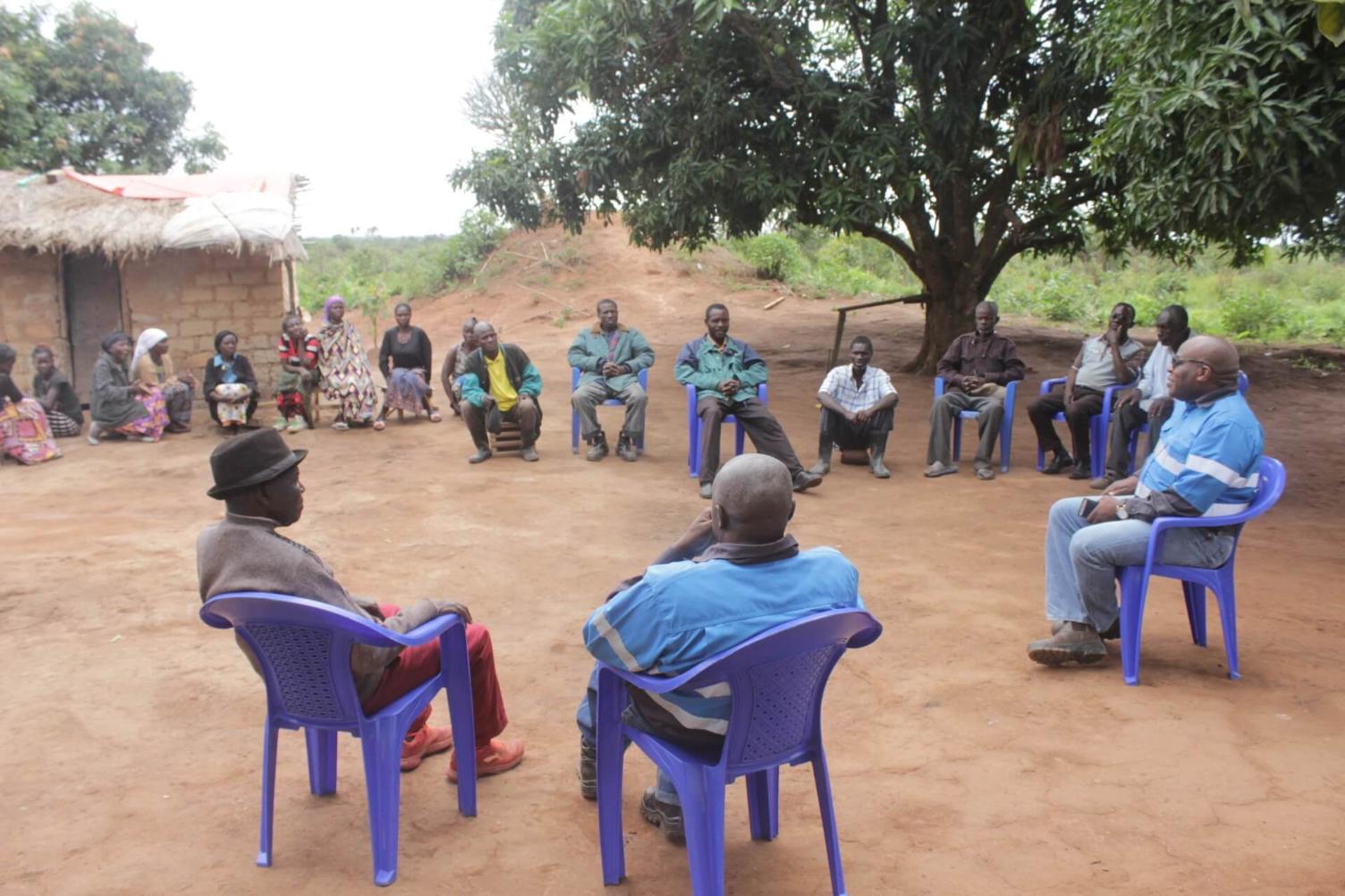
Professional Diploma in Community Engagement
A comprehensive, practice‑based programme for community liaison officers, development practitioners, and engagement specialists. Over 12 weeks and 72 topic units, you will master stakeholder mapping, participatory methods, communication strategies, conflict resolution, monitoring and evaluation of engagement, and ethical practice – preparing you to lead meaningful, inclusive, and impactful community engagement initiatives.
Community Engagement
Programme Overview: This professional diploma provides a thorough grounding in the theory and practice of community engagement across sectors – from development and health to education, infrastructure, and governance. You will learn to identify and map stakeholders, design participatory processes, facilitate inclusive dialogue, manage conflicts, measure engagement effectiveness, and uphold ethical standards. The curriculum blends global best practices with local contextualisation, preparing you to foster trust, co‑create solutions, and drive sustainable change with communities.
Curriculum – 12 Modules (72 Topic Units)
Foundations of Community Engagement
- Defining community engagement: principles, scope, and values
- Historical evolution and contemporary approaches
- The engagement ladder: inform, consult, involve, collaborate, empower
- Benefits and challenges of genuine community engagement
- Legal and policy frameworks for public participation
- Case studies: successful community engagement across sectors
Stakeholder Identification & Analysis
- Identifying stakeholders: individuals, groups, institutions
- Stakeholder mapping: power, interest, influence, legitimacy
- Social network analysis for engagement planning
- Understanding vulnerable and marginalised groups
- Prioritising stakeholders for meaningful engagement
- Tools for stakeholder analysis (matrix, Venn diagrams, snowball sampling)
Participatory Methods & Tools
- Participatory rural appraisal (PRA) and participatory learning and action (PLA)
- Focus group discussions, community meetings, and public hearings
- Surveys, questionnaires, and feedback forms
- Deliberative polling and citizens' juries
- Digital engagement platforms and social media listening
- Selecting the right method for context and objectives
Communication for Community Engagement
- Crafting clear, accessible, and culturally appropriate messages
- Two‑way communication and active listening techniques
- Using plain language and visual communication
- Working with translators and community interpreters
- Managing mass communication: radio, SMS, community notices
- Feedback loops and closing the communication circle
Facilitation & Dialogue Processes
- Principles of effective facilitation (neutrality, inclusivity, adaptability)
- Designing participatory workshops and community dialogues
- Managing group dynamics and difficult conversations
- Conflict‑sensitive facilitation in divided communities
- Recording and documenting community inputs
- Building consensus and co‑creating action plans
Conflict Resolution in Community Engagement
- Understanding sources of conflict in community settings
- Interest‑based negotiation and mediation principles
- Transformative mediation and restorative practices
- Handling grievances and complaints mechanisms
- De‑escalation strategies for heated public meetings
- Building a community feedback and grievance system
Monitoring & Evaluation of Community Engagement
- Why measure community engagement? Indicators and outcomes
- Process indicators: reach, representativeness, satisfaction
- Outcome indicators: trust, empowerment, policy influence
- Tools for M&E: surveys, testimonials, observation, document review
- Participatory monitoring and community scorecards
- Using M&E findings to improve engagement practice
Ethics & Safeguarding in Community Engagement
- Ethical principles: do no harm, informed consent, confidentiality
- Managing conflicts of interest and undue influence
- Safeguarding vulnerable groups (children, elderly, persons with disabilities)
- Data protection and responsible data sharing
- Whistleblowing and accountability mechanisms
- Developing a code of conduct for engagement practitioners
Community Engagement in Development Projects
- Integrating engagement into project cycles (identification, design, implementation, M&E)
- Social impact assessment and community input
- Grievance redress mechanisms for development projects
- Engagement in resettlement and livelihood restoration
- Community‑based monitoring of project performance
- Case studies: infrastructure, WASH, education, health projects
Digital & Innovative Engagement Strategies
- Online engagement platforms (CitizenLab, Bang the Table)
- Using social media for community dialogue and feedback
- Mobile surveys, SMS campaigns, and WhatsApp groups
- Geographic Information Systems (GIS) for community mapping
- Data visualisation for communicating engagement results
- Bridging digital divides: offline alternatives and inclusivity
Engagement for Policy & Governance
- Public participation in local and national governance
- Participatory budgeting and community planning
- Citizen advisory committees and oversight boards
- Engagement in legislative and regulatory processes
- Measuring the influence of engagement on policy outcomes
- Case studies: participatory governance in cities and regions
Strategic Leadership & Capstone Project
- Designing a community engagement strategy for an organisation
- Budgeting, resourcing, and capacity building for engagement
- Leading engagement teams and working with external facilitators
- Overcoming resistance and building an engagement culture
- Emerging trends: community‑led development, participatory grantmaking
- Capstone: Develop a comprehensive community engagement plan
Become a Certified Community Engagement Leader
Develop the competencies to design, lead, and evaluate ethical and impactful community engagement across any sector.
Comprehensive Framework
Covers theory, methods, ethics, and M&E of engagement.
Practical Tools
Learn stakeholder mapping, facilitation techniques, and digital platforms.
Conflict Competence
Master mediation, grievance handling, and difficult conversations.
Strategic Leadership
Prepare for senior roles in community relations and CSR.
For Community Engagement Practitioners & Aspiring Leaders
This professional diploma is designed for professionals who work with communities or wish to transition into community‑focused roles.
What Diploma Graduates Say
"The stakeholder mapping tools and facilitation techniques transformed how we engage with our host communities. Trust and collaboration have improved dramatically."
— Samuel M., Community Relations Lead, Kenya
"The module on conflict resolution gave me the confidence to mediate disputes between community groups and our project. I now lead our grievance mechanism."
— Badmus G., Nigeria
"This diploma elevated my career from field officer to community engagement manager. The capstone engagement plan was adopted by my organisation. Highly recommended."
— Kelvin N., India
Lead Meaningful Community Engagement
Enrol in the 3‑Month Professional Diploma in Community Engagement. Gain a verifiable credential, practical expertise, and join a global network of engagement professionals.
Questions About the Professional Diploma?
Speak with our admissions team to discuss prerequisites, curriculum, and how this programme fits your career goals in community engagement.
WhatsApp Us Email Enquiry