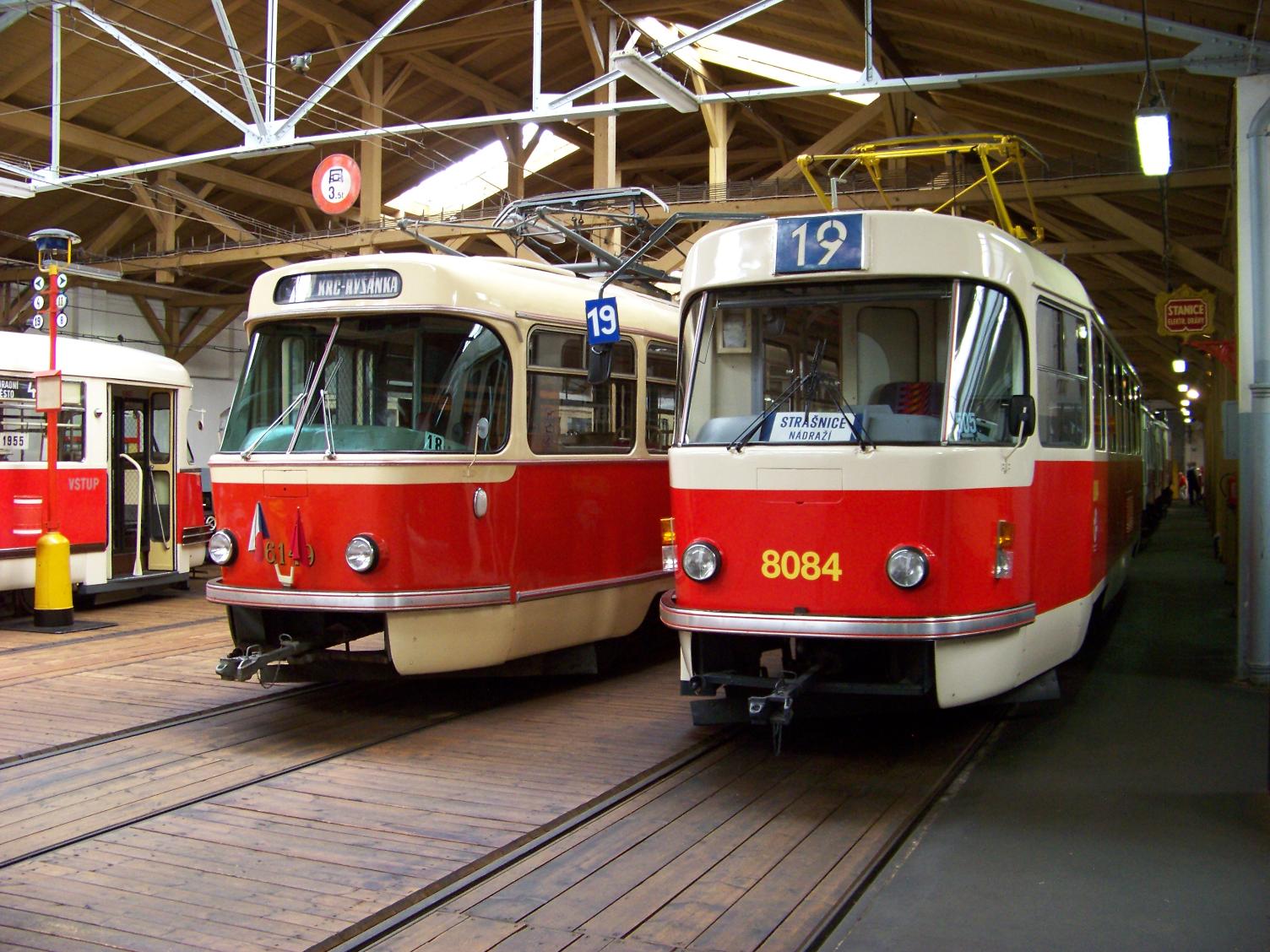
Professional Diploma in Transportation Management
Master the essentials of transport operations, fleet management, logistics integration, and sustainable mobility. Industry-focused curriculum designed for transport professionals and aspiring managers.
Accelerate Your Career in Transportation & Logistics
This Professional Diploma provides a solid foundation in transportation management, covering all major modes, supply chain integration, fleet operations, regulatory frameworks, and emerging trends like green logistics and smart mobility. Ideal for logistics coordinators, fleet supervisors, transport planners, and aspiring managers.
Week 1
Foundations, Modes, Logistics Integration
Week 2
Fleet Management, Economics, Sustainability
Comprehensive Transportation Management Syllabus
Each module contains 6–10 units, blending theory, case studies, and practical applications.
📘 Module 1: Introduction to Transportation Management
- 1.1 Introduction to Transportation Management?
- 1.2 Role of transportation in the economy and supply chain
- 1.3 Evolution of transportation systems
- 1.4 Key stakeholders: shippers, carriers, intermediaries, government
- 1.5 Transportation decision-making framework
- 1.6 Service characteristics and cost trade-offs
- 1.7 Legal and regulatory environment overview
- 1.8 Ethical issues in transport management
- 1.9 Case study: Optimizing a regional distribution network
📘 Module 2: Modes of Transport and Intermodal Operations
- 2.1 Road freight: trucking, LTL, FTL, advantages and challenges
- 2.2 Rail transport: bulk, intermodal, containerization
- 2.3 Air cargo: speed, cost, security considerations
- 2.4 Maritime transport: shipping lines, ports, documentation
- 2.5 Pipeline and specialized modes
- 2.6 Intermodal transportation: benefits and coordination
- 2.7 Selecting the optimal mode based on product & distance
- 2.8 Case study: Mode selection for perishable goods
📘 Module 3: Logistics and Supply Chain Integration
- 3.1 Logistics vs supply chain management
- 3.2 Transportation’s role in supply chain strategy
- 3.3 Warehousing, inventory, and transportation coordination
- 3.4 Reverse logistics and returns management
- 3.5 Third-party logistics (3PL) and fourth-party logistics (4PL)
- 3.6 Information technology in transport: TMS, GPS, RFID
- 3.7 Performance metrics: on-time delivery, cost per mile
- 3.8 Case study: Integrating transport with warehousing for efficiency
📘 Module 4: Fleet Management and Vehicle Operations
- 4.1 Fleet acquisition, leasing vs buying, lifecycle costing
- 4.2 Preventive maintenance scheduling and inspection
- 4.3 Driver management: recruitment, training, safety, retention
- 4.4 Route planning and optimization (vehicle routing problem)
- 4.5 Fuel management and telematics
- 4.6 Compliance with hours of service and safety regulations
- 4.7 Fleet performance KPIs: utilization, downtime, cost per km
- 4.8 Case study: Reducing fleet operating costs through route optimization
📘 Module 5: Transport Economics, Pricing and Regulation
- 5.1 Supply and demand in transport markets
- 5.2 Cost structures: fixed, variable, marginal, joint costs
- 5.3 Pricing strategies: cost-plus, value-based, dynamic pricing
- 5.4 Rate negotiation and carrier contracts
- 5.5 Government regulation: economic vs social regulation
- 5.6 Deregulation and its impact (e.g., motor carrier act)
- 5.7 Infrastructure funding, tolls, and public-private partnerships
- 5.8 Case study: Freight rate negotiation in a volatile market
📘 Module 6: Sustainable Transportation and Emerging Trends
- 6.1 Environmental impacts of transport (carbon emissions, noise)
- 6.2 Green logistics: alternative fuels, electric vehicles, route eco-efficiency
- 6.3 Urban logistics and last-mile delivery innovations
- 6.4 Smart mobility, autonomous vehicles, and drones
- 6.5 Digital transformation: blockchain, IoT, AI in transport
- 6.6 Resilience and risk management in global transport
- 6.7 Future of freight: hyperloop, vertical takeoff, etc.
- 6.8 Case study: Developing a sustainable city logistics plan
Affordable Tuition – ₦82,740 Total
All inclusive: tuition + application fee. Flexible interest‑free instalments.
Application fee ₦2,740 is included in the total above.
Learning Outcomes & Career Pathways
Key Competencies
- Analyse transport modes and select optimal solutions
- Manage fleet operations, maintenance, and driver performance
- Apply logistics integration principles to reduce costs
- Understand transport economics, pricing, and regulation
- Implement sustainable and technology-driven transport strategies
Career Opportunities
- Transportation Manager / Coordinator
- Fleet Operations Supervisor
- Logistics & Supply Chain Planner
- Dispatch Manager / Route Optimizer
- Freight Broker / Carrier Relations Specialist
- Urban Mobility Consultant
Assessment & Delivery
100% online, self‑paced with study guides. Assessment via module quizzes, case study analyses, and a final capstone project. No examinations.
Duration: 2 weeks (flexible up to 3 months).
Trusted by Transport Professionals
"The module on fleet management transformed how we handle vehicle maintenance and routing. Practical and immediately applicable."
Fleet Supervisor, Lagos
"Comprehensive coverage of intermodal transport and logistics integration. Highly recommended for supply chain practitioners."
Logistics Coordinator, Abuja
"The sustainable transport module opened my eyes to green logistics opportunities. Great balance of theory and real cases."
Transport Planner, Accra